
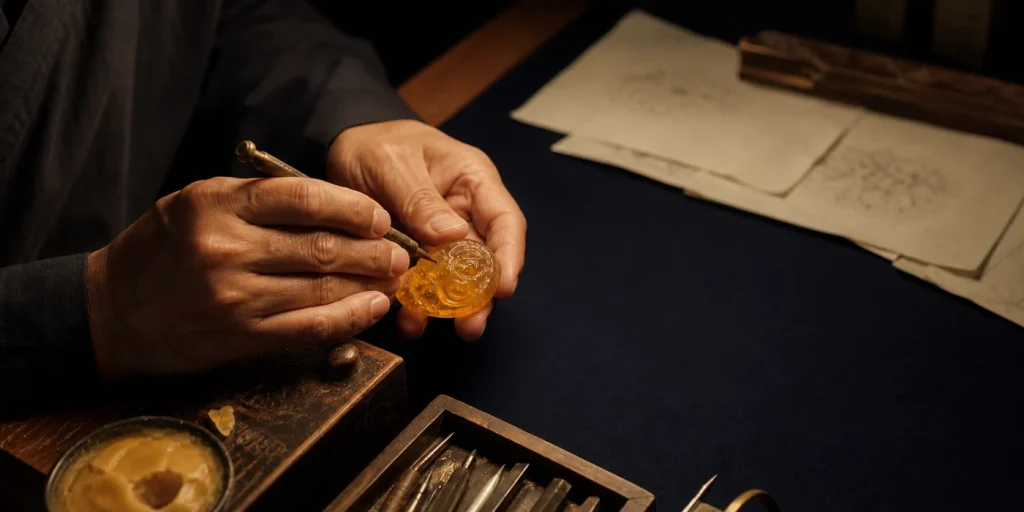
制作从判断方向开始。匠人在决定切口位置之前,会研究颜色、裂隙与内部纹理。这个最初选择既决定最终轮廓,也决定能够保留多少材料。
逐级使用磨料来建立表面。边缘经柔化以适合触摸,但不抹去几何形态;哑光与抛光平面可组合使用以控制反射。钻孔部件会在应力集中的开口处接受检查。
最终检验会将物件与标示尺寸、表面处理及配件逐一比对。天然差异得以保留,不稳定的边缘或五金则会被淘汰。成品以诚实方式记录,而不是被处理得像机械复制品。
July 18, 2026
选材、切割、边缘处理与最终检验如何塑造一件小物件。
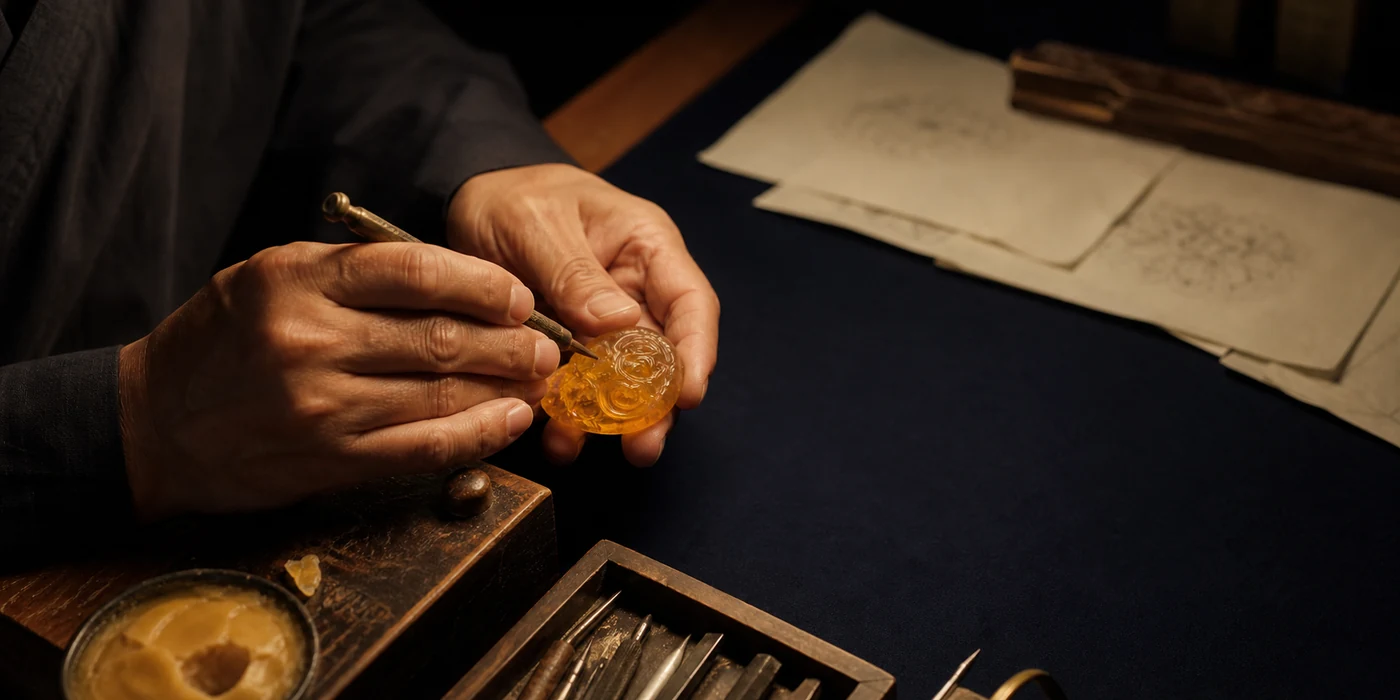
制作从判断方向开始。匠人在决定切口位置之前,会研究颜色、裂隙与内部纹理。这个最初选择既决定最终轮廓,也决定能够保留多少材料。
逐级使用磨料来建立表面。边缘经柔化以适合触摸,但不抹去几何形态;哑光与抛光平面可组合使用以控制反射。钻孔部件会在应力集中的开口处接受检查。
最终检验会将物件与标示尺寸、表面处理及配件逐一比对。天然差异得以保留,不稳定的边缘或五金则会被淘汰。成品以诚实方式记录,而不是被处理得像机械复制品。